
The New York Times Got Suboxone Wrong. They Should Say So.
Twelve years after branding it a “dark side,” the Times now celebrates Suboxone. But public trust demands more than new headlines — it demands honesty about past mistakes.

The New York Times can shape public opinion on medicine more than almost any other outlet. But when it comes to Suboxone — a medication that can cut opioid overdose deaths in half — their coverage has swung so wildly over the past twelve years that it’s become its own case study in how to undermine trust.
I know, because I was there at the start.
In 2012, I talked with a New York Times reporter every weekend for a year. I was one of the first doctors in Wisconsin to prescribe Suboxone, and I walked her through its benefits and challenges. I expected the resulting article to help readers understand this misunderstood, lifesaving medication.
Then, in 2013, the headline dropped:
“Addiction Treatment With a Dark Side.”
The framing was unmistakable — Suboxone as a risky drug, prescribed by “troubled” doctors. Their subtitle: Suboxone, Savior or Menace?
I explained to Sontag that many prescribers were themselves in recovery — not as a flaw, but as a strength. They knew the depths of despair caused by addiction and were deeply motivated to help patients survive. No other doctors offered help for people stuck on opioids. The article ignored that nuance, instead citing stale disciplinary records and leaning into stigma.
It also spotlighted a grieving father whose son had died of an overdose. The implication was clear: Suboxone was to blame. But the truth was the opposite. The young man had stayed alive while taking Suboxone — even while using other drugs. It was only a year after he stopped the medication that he overdosed. That detail, which cuts to the heart of how this drug saves lives, barely registered.
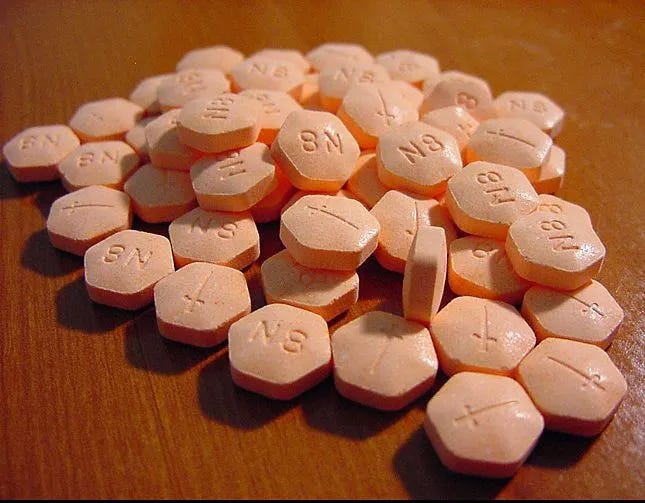
.
It took ten years. Then the reversals began. I expected eventual reversals, but nobody but the NYT could have reversed course so expertly and quietly.
In 2023, the Times dropped the “dark side” entirely, lamenting racial disparities in Suboxone access and pushing for wider use. “Addiction Treatment Medicine Is Vastly Underprescribed, Especially by Race, Study Finds.”
In early 2025, The New York Times Magazine published a long feature championing buprenorphine. “An Effective Addiction Treatment Exists, Why Isn’t It Used More?”
Gee, you tell me, Poindexter!
And just four days ago, the New York Magazine doubled down again, praising Suboxone as a cornerstone in fighting the opioid crisis. “It Was a Promising Addiction Treatment. Many Patients Never Got It.”
Not one of these newer pieces has reckoned with the damage caused by the original framing. No acknowledgment that, for years, their reporting helped plant and water the idea that Suboxone was suspect — an idea that still thrives in online echo chambers, where “poison” and “toxic” get tossed around without evidence.
That’s the absurdity: in 2013, the Times framed a proven harm-reduction tool as a menace. In 2025, it’s an “amazing drug” worthy of national expansion. But if you never read every article in that twelve-year arc, you’d have no idea they’d pulled a complete 180. And if you did read the first one, the fear it stoked might have stuck with you — and maybe even shaped your care decisions.
And I get it. The NYT isn’t my first source for news these days. But after getting it so wrong, is there no responsibility to admit your own early ignorance?
When you have a platform that big, you don’t just get to change the headline. You have a responsibility to fix the mess you made the first time.
Love your writing! Keep it up! You are so honest!
Love it Dr J!!!! I’m so glad you’re back writing and keep it up man!!!! I long for the day this life saving med is over the counter!!! Thanks D.J.